
Description
Foundations of Power
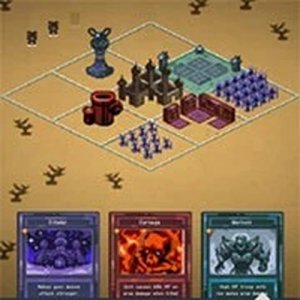
In Crown of Three, your journey begins with a modest settlement and a clear ambition: transform it into a thriving medieval realm. The game emphasizes careful economic planning, where gathering resources like food and gold forms the backbone of your expansion. These materials fuel construction projects, from essential infrastructure to defensive structures, ensuring your community can withstand external pressures. Unlike static simulations, each playthrough introduces a new landscape with distinct resource distributions, forcing you to prioritize differently. A forest-rich region might favor rapid building, while a barren plain demands trade or efficient allocation. This variability keeps the early game engaging, as no two starts feel identical.
Political Maneuvering & Alliances
Diplomacy plays a central role in shaping your kingdom's relationships with neighboring factions. You can propose treaties, exchange resources, or form defensive pacts to create a network of allies. However, trust is a fragile commodity—rivals may break agreements or secretly plot against you. The game presents scenarios where choosing between confrontation and cooperation carries lasting consequences. For example, a generous trade deal might secure a valuable resource but embolden a neighbor to demand more later. These interactions add a layer of depth beyond simple resource management, requiring you to read situations and decide when to extend an olive branch or strengthen your borders.
Adapting to Procedural Challenges
Each session generates a unique map with varied terrain, resource nodes, and rival settlements. This procedural design means your strategies must remain flexible. A map with narrow mountain passes might favor defensive tactics and chokepoints, while open plains encourage rapid expansion and mobile forces. The game also introduces random events—such as a bountiful harvest or a sudden drought—that test your ability to pivot. Players who rely on a single approach will find themselves outmatched, while those who experiment with different building layouts and resource chains discover more reliable paths to success. This element of surprise ensures long-term replayability without feeling repetitive.
Advancing Your Realm
As your kingdom grows, you unlock new technologies and building options that expand your strategic toolkit. Early upgrades might improve farm efficiency or reinforce walls, while later advancements could introduce specialized structures like markets or barracks. The tech tree is designed to support multiple playstyles: a builder might focus on economic upgrades, while a more aggressive ruler invests in military enhancements. Each choice closes off some possibilities but opens others, encouraging thoughtful progression. The game also provides multiple city slots, allowing you to experiment with different combinations of buildings and units in parallel, helping you identify what works best for your current map and goals.
Mastering the Art of Rule
Success in Crown of Three hinges on balancing short-term needs with long-term vision. Neglecting your economy leaves you unable to fund defenses, while over-investing in military might drain resources needed for growth. The procedural maps and diplomatic scenarios ensure that no single strategy guarantees victory. Experienced players learn to read the terrain, anticipate rival moves, and adjust their plans on the fly. The game rewards patience and careful observation, making it a satisfying choice for those who enjoy deep, thoughtful strategy. Whether you prefer building a peaceful trading empire or a fortified stronghold, the tools are here to craft your own story of medieval leadership.






Player Comments
Sign in to comment
You must be logged in before posting a review or rating.
No account? Create one
No comments yet. Be the first to comment!