
Description
Mission Structure and Setting
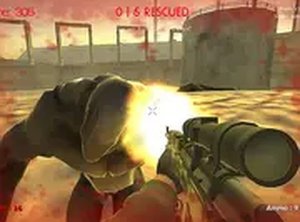
Desert Doctor Escape casts the player as a rapid response specialist sent into a damaged research laboratory. Five medical professionals are stranded inside, each positioned in a different section of the complex. The facility was built for scientific study, but its current condition forces players to treat every corridor as a potential obstacle. The desert location reinforces the sense of isolation; the lab's damaged infrastructure and scattered documents suggest a facility that has been pushed past its operational limits.
Movement, Controls, and Interaction
Navigation uses standard first-person controls: W, A, S, and D for movement, with the mouse handling camera direction and object interaction. The layout is interconnected, so players move between rooms rather than following a single linear path. Quick decisions matter when choosing which section to search next, and the game rewards players who stay aware of visual cues that mark safe passages or areas requiring caution. Full-screen mode is available for players who want fewer distractions while searching.
Environmental Obstacles and Route Planning
Not every door leads forward. Some rooms contain malfunctioning equipment that blocks paths or creates temporary hazards, while other sections require players to find alternate routes when direct access is unavailable. Because each doctor is placed in a distinct part of the complex, thorough exploration matters as much as speed. Rushing can cause players to miss a doctor tucked away in a side room; moving too slowly increases exposure to environmental hazards. Learning the facility through repeated attempts helps players develop efficient search patterns.
Approachability and Audience
The control scheme avoids complex button combinations, making the game approachable for players across different ages and skill levels. Content focuses on problem-solving and navigation rather than graphic depictions, and the free-to-play model removes financial barriers for anyone with a compatible device. The combination of rescue objectives, environmental puzzle-solving, and first-person exploration makes it a reasonable fit for family play.






Editorial Notes